Looking for room to breathe in Southern California can feel like a challenge. If you are drawn to bigger lots, quieter surroundings, and sweeping hillside views, La Habra Heights stands out for reasons that go far beyond curb appeal. This guide will help you understand what daily life here really feels like, what makes the city different from nearby areas, and what practical details you should research before you buy. Let’s dive in.
What Defines La Habra Heights
La Habra Heights is a General Law city in Los Angeles County that describes itself as a community of residential, agricultural, and open-space areas. The city highlights hillside estates, oak woodlands, grasslands, avocado and citrus groves, riding trails, panoramic views, and large minimum one-acre parcels.
That combination shapes the lifestyle in a very specific way. Instead of a standard suburban tract pattern, you get a lower-density setting with more land, more separation between homes, and a stronger connection to the natural landscape.
The city reports about 5,682 residents across 6.2 square miles of land, with 1,880 housing units. Compared with nearby La Habra and Whittier, it is much smaller in both population and physical scale, which helps explain why it feels more open and less compressed.
Why Space Feels Different Here
One of the clearest features of La Habra Heights is the one-acre parcel pattern. City history notes that this zoning approach was meant to fit the steep hillsides and scenic winding roads that define the area.
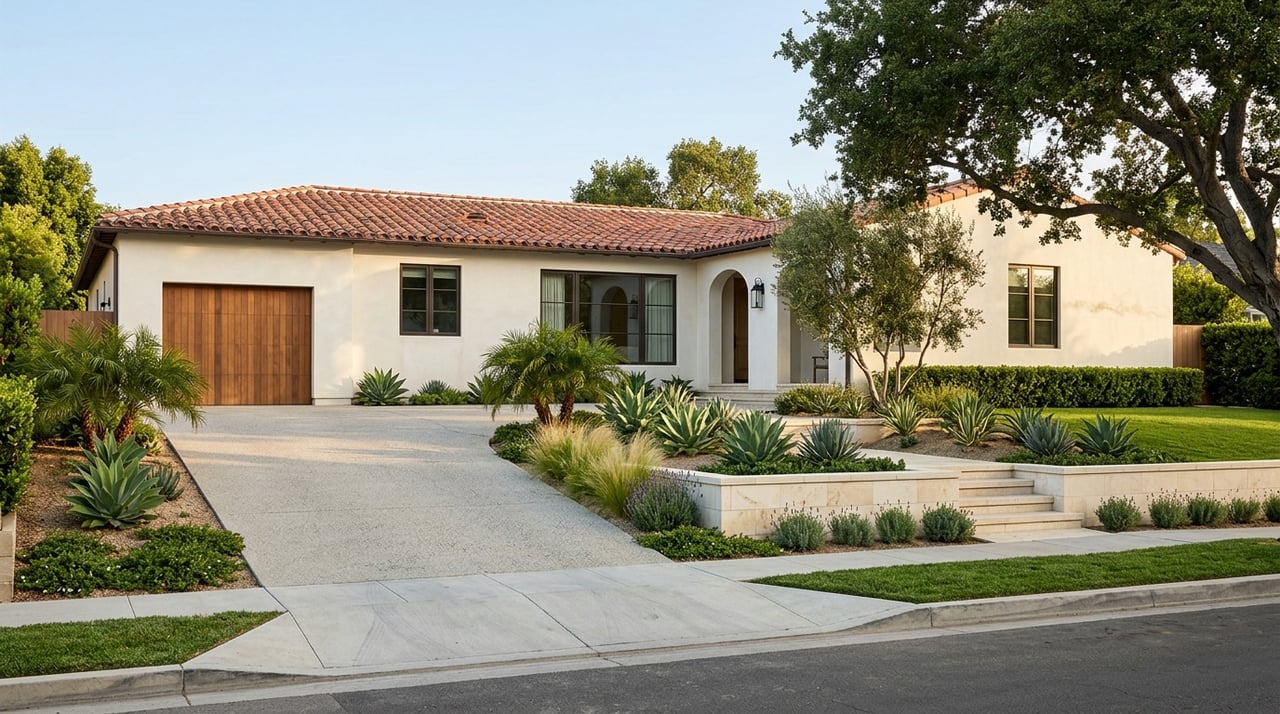
For you as a buyer, that often means more physical distance between homes and more flexibility in how a property sits on the land. You may see long driveways, mature landscaping, groves, and homes that are set back from the street rather than lined up in a conventional subdivision format.
That extra space also changes the rhythm of daily life. You are not just buying square footage inside a house. In many cases, you are buying outdoor breathing room, visual privacy, and a property with its own distinct layout and topography.
Privacy Is Part of the Appeal
La Habra Heights has a reputation for seclusion, and city history helps explain why. Many homes were built in tree-covered terrain and are reached by private roads, which creates a more tucked-away feel than you would find in a typical neighborhood street grid.
That does not necessarily mean the area is remote. The city says La Habra Heights is about 25 miles southeast of downtown Los Angeles and sits along the border of Los Angeles and Orange counties. In other words, you can be relatively close to the basin while still feeling removed from the pace and density of surrounding city neighborhoods.
For many buyers, that balance is the draw. You get a setting that feels private and rural in character without being disconnected from the broader region.
Views and Natural Setting Matter
The visual experience in La Habra Heights is a major part of the lifestyle. Official city materials emphasize panoramic views, hillside terrain, oak woodlands, grasslands, and groves, all of which create a setting that feels shaped by the land rather than imposed on it.
If views are important to you, this is one reason parcel-by-parcel research matters. In a hillside area, orientation, elevation, tree cover, and lot shape can all affect what you see from the home and how much privacy you have around outdoor spaces.
The natural setting also tends to create a calmer feel. Even before you step inside a home, the roads, topography, and open land can make the area feel more like an estate environment than a standard suburban block.
A More Land-Based Lifestyle
La Habra Heights is closely associated with open space, riding trails, and a longstanding horse culture. The city presents these as part of community life, which supports a lifestyle centered on space, outdoor use, and a stronger connection to the land.
Nearby public open space also adds to that identity. The Puente Hills Habitat Preservation Authority manages about 3,870 acres of preserve public open space, and the city directs residents to Powder Canyon trail information.
For you, that can mean easier access to outdoor recreation and a daily environment that feels less built out than nearby communities. The appeal is not just the house itself. It is also the setting around it.
What Buyers Should Check Carefully
A big lot and hillside setting can be a great fit, but they also call for more due diligence. La Habra Heights properties are often more individualized, which means ownership questions can be more specific than they would be in a cookie-cutter neighborhood.
Here are some of the most important items to verify before making an offer:
- Access to the property, including private road approach if applicable
- Brush-clearance responsibilities and annual inspection requirements
- Drainage and runoff patterns across the lot
- Planning and permit requirements for future additions or improvements
- Fire-hazard and emergency-access considerations tied to the parcel
This is where a coordinated, local-minded approach can help. When you are evaluating a unique property, you want the transaction to move with clear communication and a plan, especially if financing, escrow, and inspections all need to line up smoothly.
Brush Clearance Is a Real Ownership Duty
In La Habra Heights, brush management is not a minor detail. The city states that each parcel is inspected annually beginning May 1, and the property owner is responsible for brush clearance.
The inspection checklist includes trimming vegetation at least 3 feet from the pavement and 13 feet 6 inches above the street. The city also calls for year-round weed abatement and other fire-safety clearances around roofs, chimneys, and fences.
If you are considering a purchase here, this should be part of your ownership planning from day one. The city notes that continued noncompliance can lead to fees or abatement, so it is smart to understand the condition of the lot and the likely maintenance needs before you close.
Hillside Drainage and Site Planning
Hillside living comes with its own practical considerations, and stormwater is one of them. The city explains that large roofs, driveways, and parking areas can concentrate runoff, especially where drainage paths are steep.
Its guidance points to options like rain barrels, rain gardens, swales, and permeable paving. For you as a buyer, the main takeaway is that lot design matters, and drainage should be reviewed based on the specific property rather than assumed.
The Planning Department also says new structures or additions require planning approval, and that the building process starts in Planning. If you are thinking about future improvements, it is worth checking what the parcel can support and what approvals may be needed.
How the Roads Shape the Experience
Narrow winding roads are part of the city’s identity, and they contribute to both the charm and the practicality of life in La Habra Heights. They help preserve the scenic, low-density character, but they also affect how a property feels on a daily basis.
A home may have a long driveway, a private road connection, or a site-specific access point that is very different from a typical suburban street. That is one reason buyers should look closely at approach, parking, turn-around space, and general ease of access during their property search.
This does not make the area less desirable. It simply means that understanding the lot as a whole is just as important as liking the house itself.
Community Feel and Local Involvement
While La Habra Heights is known for privacy, it is not just a collection of isolated homes. The city describes citizen participation and volunteerism as very high, which points to an involved and locally engaged community.
That can be an appealing mix if you want both elbow room and a sense of place. You may find that the physical environment feels quiet and spread out, while the civic identity remains active and connected.
For many buyers, that blend is hard to find elsewhere. It offers separation without necessarily giving up community character.
Is La Habra Heights Right for You?
If you want a neighborhood with dense tract housing and highly uniform lots, La Habra Heights may not be the best match. Its appeal is rooted in variety, land, hillside terrain, and the responsibilities that come with more individualized properties.
If you value space, privacy, and views, though, the city offers a distinct alternative to nearby suburban options. The one-acre parcel pattern, open-space surroundings, and more secluded feel create a lifestyle that is difficult to replicate in many parts of Los Angeles County.
The key is going in with a clear understanding of both the benefits and the practical details. When you do, you can make a more confident decision about whether this unique community fits the way you want to live.
If you are exploring La Habra Heights or comparing it with nearby communities, Wasilik Klimenko I Tres Inc. can help you navigate the search with local guidance and coordinated support.
FAQs
What makes La Habra Heights different from nearby cities?
- La Habra Heights stands out for its one-acre parcels, agricultural and open-space character, winding roads, hillside setting, and lower-density feel compared with nearby La Habra and Whittier.
What should buyers verify before buying a home in La Habra Heights?
- Buyers should research property access, brush-clearance obligations, drainage and runoff patterns, planning approval for future improvements, and parcel-specific fire-hazard and emergency-access considerations.
Is La Habra Heights remote from the rest of Los Angeles County?
- The city says La Habra Heights is about 25 miles southeast of downtown Los Angeles, so it is not far from the basin, but it often feels more secluded than surrounding neighborhoods.
Are there outdoor recreation options near La Habra Heights?
- Yes. The area is tied to riding trails and nearby open space, and the Puente Hills Habitat Preservation Authority manages about 3,870 acres of preserve public open space, with city information also pointing residents to Powder Canyon trail materials.
What ownership responsibility matters most in La Habra Heights hillside properties?
- Brush management is a major ongoing responsibility because the city inspects parcels annually beginning May 1 and requires specific vegetation clearance and year-round weed abatement standards.