Selling your La Habra home can feel simple on paper, but the homes that stand out usually have one thing in common: preparation. Even in a market where sellers may see strong interest, buyers still notice presentation, condition, and how well a home hits the market in those first crucial days. If you want a smoother sale with fewer surprises, a better plan before listing can make a real difference. Let’s dive in.
Why prep matters in La Habra
La Habra has been tracking as a relatively active seller market. Recent data shows a median sale price around $854,559, homes selling in about 37 days on average, and roughly 6 offers over the last three months. Other local tracking also shows a median listing price near $825,000 and median days on market around 45.
That kind of market can create opportunity, but it does not mean you can skip the basics. Buyers compare every new listing online, and strong photos, clean presentation, and a polished first-week launch can help your home make a stronger impression right away.
Start with clutter and cleanliness
If you only have time to tackle a few things before listing, start here. According to the National Association of REALTORS® 2023 staging research, the most common recommendations to sellers were decluttering, whole-home cleaning, and removing pets during showings.
That advice is practical because it helps buyers focus on the home itself, not your belongings or distractions. A cleaner, simpler space also tends to photograph better and feel more open when buyers walk through.
Focus on depersonalizing
Your goal is not to make your home feel empty. Your goal is to help buyers picture their own life there.
Start by removing highly personal items like large family photo displays, collections, and anything that visually crowds shelves, counters, or walls. When a room feels calmer and more neutral, buyers can pay attention to the layout, light, and storage instead of your décor.
Prioritize the most important rooms
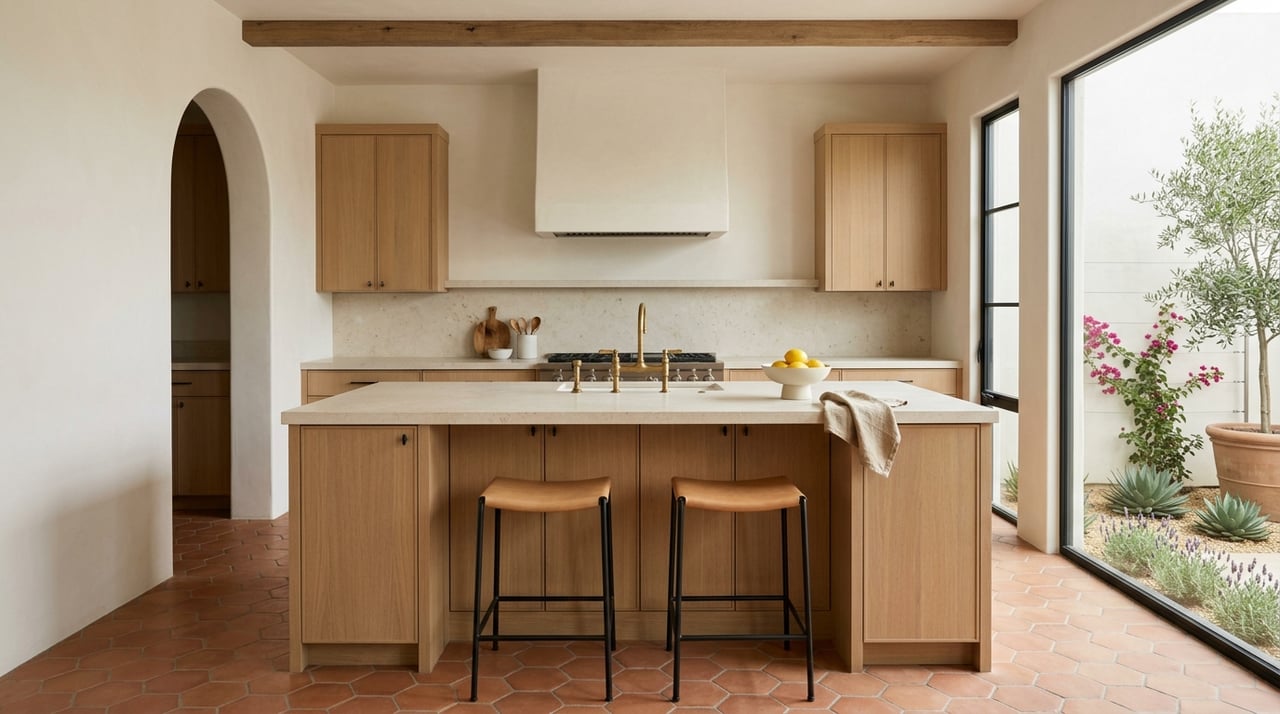
If your time or budget is limited, focus your effort where it counts most. NAR’s staging research found that the living room, primary bedroom, and kitchen were viewed as the most important rooms to stage.
That means you do not need to perfect every corner of the house before going live. In many cases, getting those three spaces clean, bright, and easy to understand gives you the biggest return on effort.
Choose light updates over major remodels
A common mistake sellers make is assuming they need a big renovation to compete. In reality, many buyers are looking for a clean, move-in-ready home, not a fully customized remodel chosen by someone else.
NAR’s staging report points to common pre-list recommendations like paint touch-ups, painting walls, carpet cleaning, minor repairs, and professional photos. The same report also notes that more buyers are planning remodels after purchase, often within the first few months of ownership.
Smart pre-list fixes
Before listing, consider simple improvements that refresh the home without creating long delays:
- Touch up scuffed paint
- Repaint overly bold walls in a neutral tone
- Clean or refresh flooring
- Fix loose handles, hinges, or hardware
- Replace burned-out light bulbs
- Repair minor visible wear and tear
- Make sure doors and windows open and close properly
These updates help your home feel cared for. They also reduce the chance that buyers will mentally stack up small issues into a larger discount during negotiations.
Know when permits matter
In La Habra, some cosmetic work typically does not require a permit. The city notes that carpeting, non-structural flooring, painting, and wallpapering usually do not need one.
Larger projects are different. Additions, new interior walls, new plumbing lines or fixtures, new electrical wiring or lighting fixtures, and HVAC replacements usually do require permits. The city also advises checking with Planning on exterior changes to avoid zoning issues.
If you are considering a bigger project before listing, start early. La Habra says initial plan review takes about two weeks, and revisions can require resubmittal, which can easily affect your listing timeline.
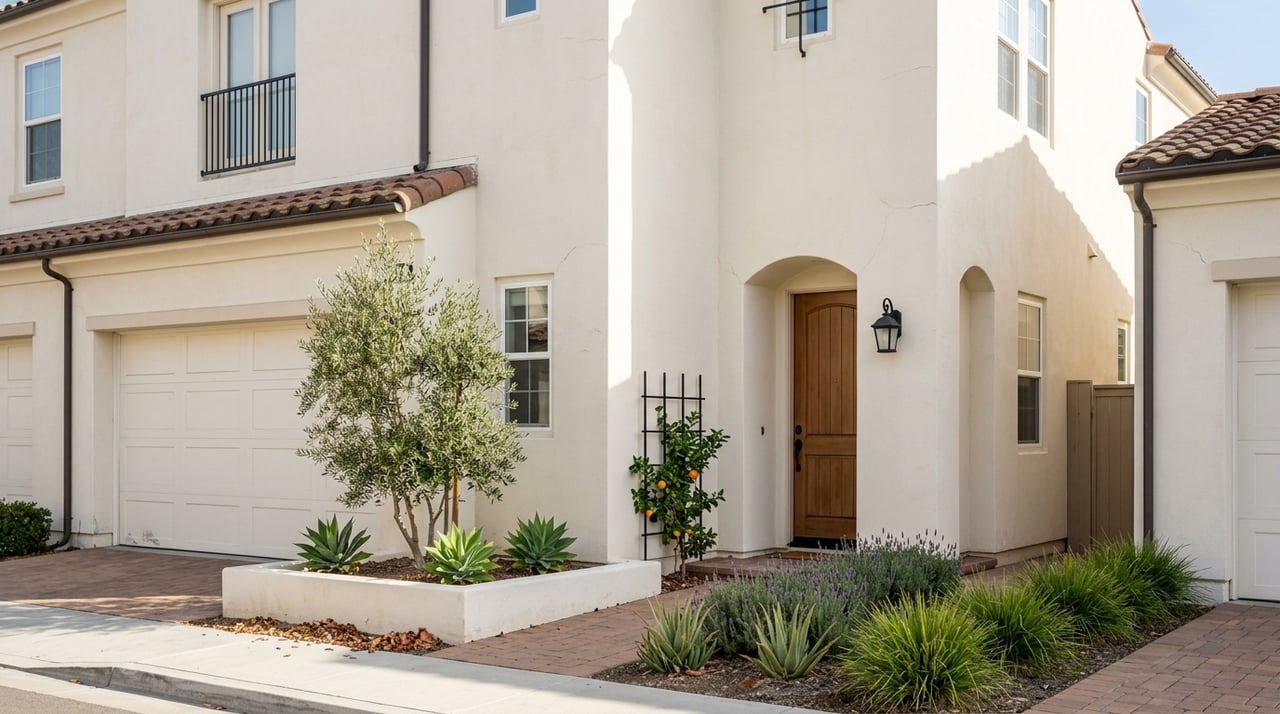
Give curb appeal real attention
Buyers start forming opinions before they ever step inside. That is why curb appeal is not a cosmetic extra. It is part of your home’s overall market position.
NAR’s outdoor-features research found that 92% of REALTORS® recommend improving curb appeal before listing, and nearly all surveyed said curb appeal is important in attracting a buyer. In simple terms, the outside of your home helps set expectations for everything that follows.
Easy curb appeal wins
You do not need a full landscape redesign to improve first impressions. Simple, manageable tasks often do the job well:
- Mow and edge the lawn
- Trim shrubs and trees
- Refresh mulch or ground cover
- Sweep pathways and porch areas
- Wash the front door and entry
- Clean exterior light fixtures
- Make sure the front approach feels bright and well kept
These steps help your property look maintained and welcoming in person and in listing photos.
Decide if a pre-list inspection makes sense
Not every seller needs a pre-list inspection, but in some cases it can be a smart move. If your home has older systems, deferred maintenance, or a repair history that may come up during buyer due diligence, getting ahead of issues can help you avoid delays later.
InterNACHI notes that a seller inspection can reveal immediate safety issues, give you a more neutral look at the home, and reduce stumbling blocks during negotiations. It can also help you decide what to repair now, what to disclose clearly, and what to price around.
When it may be especially helpful
A pre-list inspection may be worth considering if:
- Your home is older and has not had recent system updates
- You know there are repair items buyers are likely to notice
- There has been deferred maintenance over time
- You want fewer surprises once you are under contract
This kind of planning can make the sale feel more controlled and less reactive.
Organize disclosures and records early
In California, seller disclosures are a major part of preparing for market. The California Department of Real Estate states that the seller’s disclosure covers the physical condition of the property and any potential hazards or defects, while the buyer’s agent also performs a visual inspection of readily observable issues.
That means it is wise to gather your paperwork before your listing goes live. Waiting until a buyer is already interested can slow the process and create unnecessary stress.
What to gather before listing
Start collecting documents such as:
- Final permits for completed work
- Receipts for major repairs or upgrades
- Inspection reports you already have
- Service records, if available
- Any documents tied to known property conditions
La Habra’s Building & Safety division keeps permit histories for properties in the city, which can be helpful if you need to confirm prior work.
California-specific items to remember
California’s Natural Hazards Disclosure Act requires disclosure if a property is located in a mapped hazard area, including certain seismic hazard zones. If your home was built before 1978, federal lead-based paint rules also require disclosure of known lead-based paint information, available records, and a 10-day opportunity for the buyer to conduct a lead paint inspection or risk assessment.
These are not details to leave until the last minute. Preparing them early can help your transaction move more smoothly once offers come in.
Time your prep in phases
If you are planning a move in the next 6 to 12 months, it helps to break the process into stages. That way, you can improve the home without feeling rushed, and you can line up your next steps more clearly.
A phased plan also works well if you need to balance repairs, permit work, and your own move-out timeline.
6 to 12 months out
Start with decluttering, cleaning, and sorting what you want to keep, donate, or discard. This is also a good time to walk through your home with a critical eye and note cosmetic repairs, aging systems, or unfinished projects.
If you are thinking about any larger permitted work, begin those conversations early. In La Habra, permit review timing can affect when you are truly ready for photos and launch.
2 to 4 months out
Complete paint touch-ups, flooring refreshes, minor repairs, and curb appeal work. If a pre-list inspection makes sense for your situation, this is often the stage when it can be most useful.
You should also begin gathering permits, receipts, and disclosure-related paperwork so there is no scramble later.
Closer to listing
This is the time to finish staging touches, deep cleaning, and photography prep. Since first impressions matter online, your home should feel bright, clean, and easy to tour before photos are scheduled.
If you also plan to buy after you sell, this is a better time to start serious lending conversations. Consumer guidance notes that a preapproval letter is tentative and often expires in 30 to 60 days, so timing it closer to your active shopping phase can be more practical.
Plan your next move, too
Selling is only part of the transition. If you are also buying another home, your sale timeline, financing timeline, and escrow timing all need to work together.
Consumer guidance notes that closing is the final step in buying and financing a home, with the closing, title, or escrow company coordinating funds and recording. It also notes that people who want to move often try to sell first before buying, which can help reduce uncertainty.
You should also budget carefully for your next purchase. Closing costs on a home purchase typically run about 2% to 5% of the purchase price, separate from the down payment, so it helps to factor that in before you list.
A smooth sale starts before the sign goes up
The easiest sales usually do not happen by accident. They happen because the seller cleaned up the distractions, handled small repairs, organized paperwork, and launched the home with a clear plan.
In La Habra, where buyers may move quickly on the right property, preparation can help you make the most of that first wave of attention. If you want experienced guidance on pricing, presentation, timing, and coordinating the sale with your next move, Wasilik Klimenko I Tres Inc. is here to help.
FAQs
What should I do first to prepare my La Habra home for sale?
- Start with decluttering, deep cleaning, and depersonalizing the space so buyers can focus on the home itself.
Which rooms matter most when staging a home in La Habra?
- The living room, primary bedroom, and kitchen are the best rooms to prioritize if you want to focus your time and budget.
Do I need permits for pre-sale home updates in La Habra?
- Cosmetic work like painting, wallpapering, carpeting, and non-structural flooring typically does not require a permit, but larger projects often do.
Is a pre-list inspection worth it for a La Habra seller?
- It can be, especially if your home has older systems, deferred maintenance, or repair issues that may come up during buyer inspections.
What disclosures should California home sellers prepare before listing?
- Sellers should be ready to provide disclosures about the property’s condition, known defects, hazard-area issues when applicable, and lead-based paint information for pre-1978 homes.
When should I start getting ready to sell my La Habra home?
- If possible, begin 6 to 12 months before listing so you have time for decluttering, repairs, permit-related work, and document gathering without rushing.