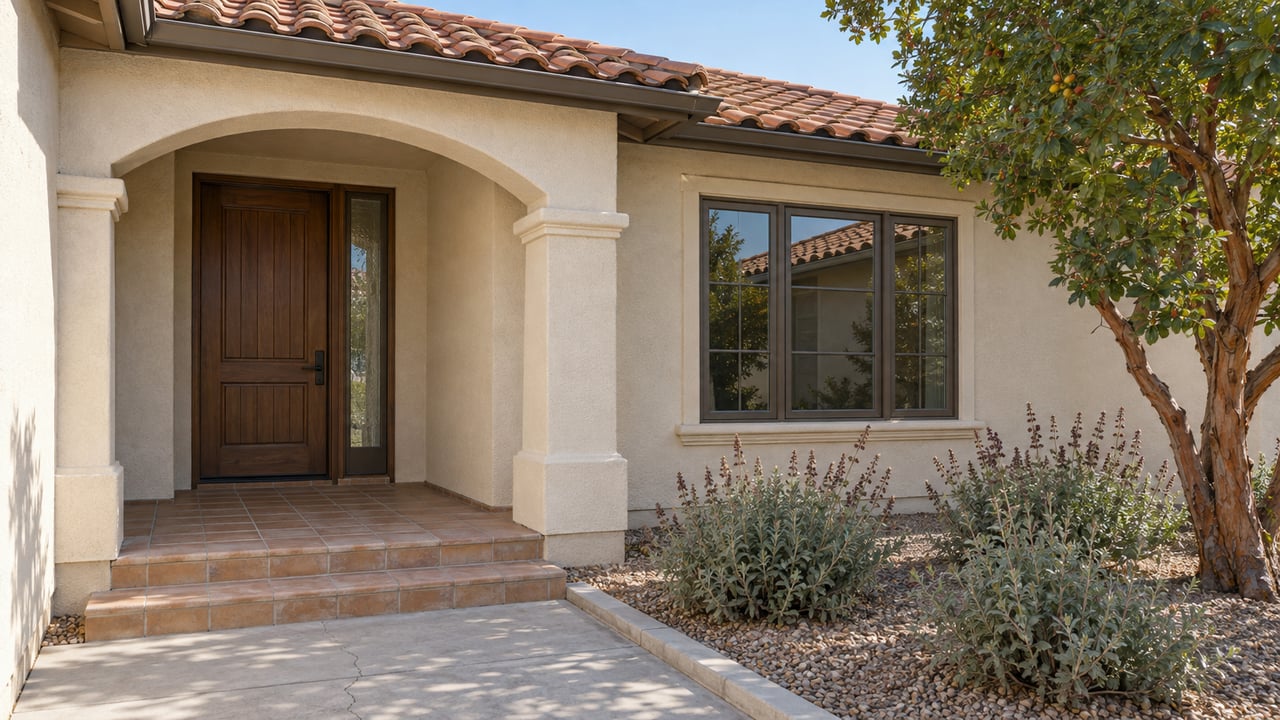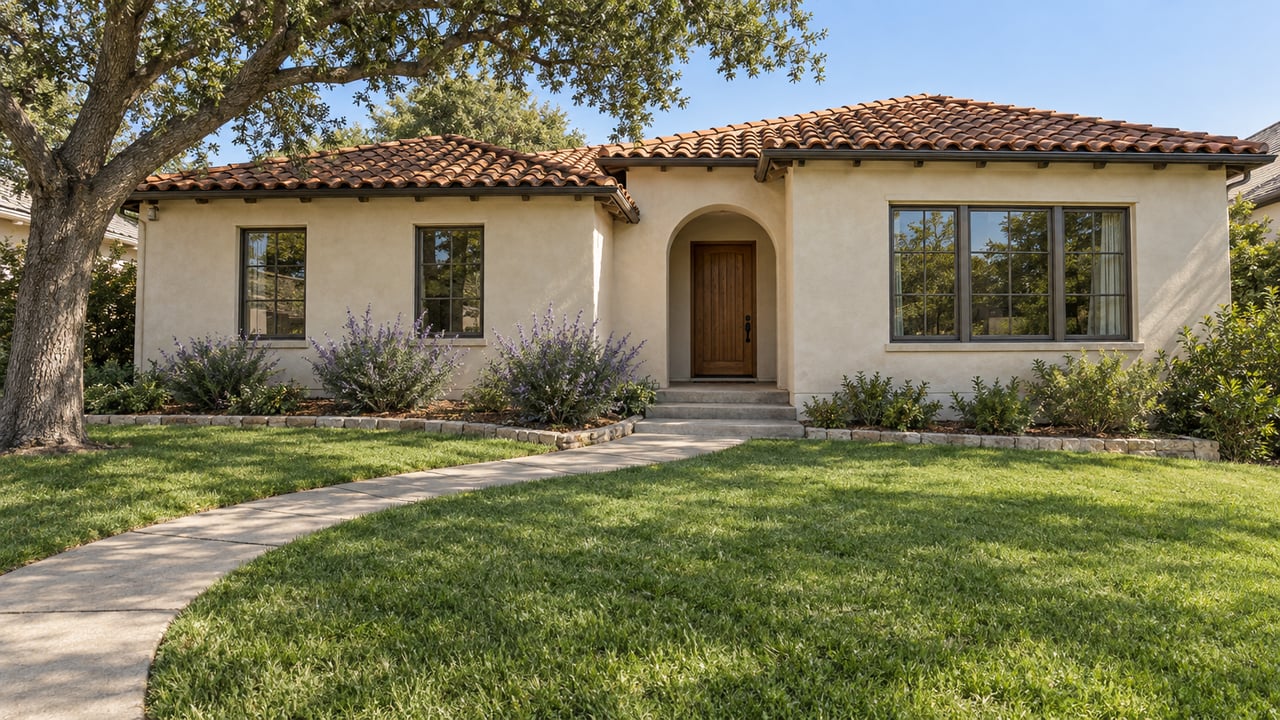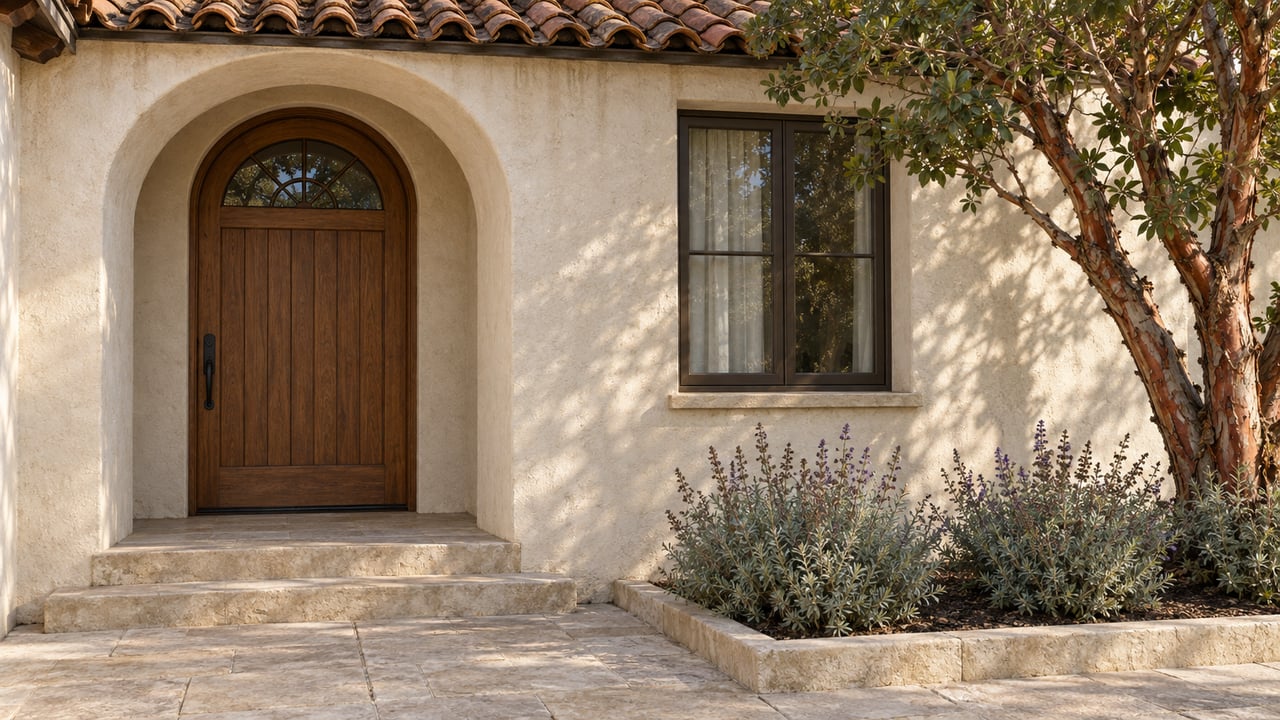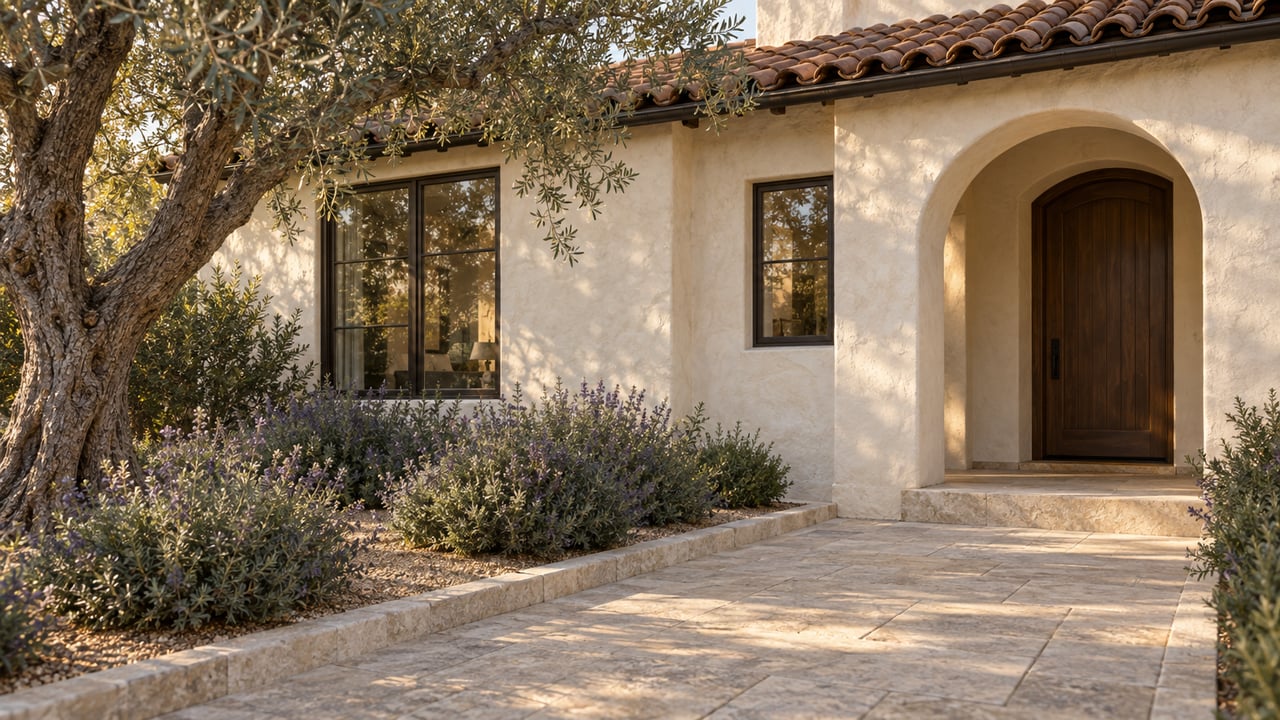
Wondering what it’s really like to live in Whittier? If you are weighing a move, downsizing, or simply trying to understand whether this city fits your day-to-day life, the answer is more layered than you might expect. Whittier offers a mix of historic character, practical commuter access, walkable local destinations, and a strong parks network that gives the city its own identity within Los Angeles County. Let’s take a closer look.
Whittier has a distinct local feel
Whittier is not just another stop between bigger job centers. It is a 14.65-square-mile city in Los Angeles County with a population of 85,589, located about 12 miles southeast of Los Angeles and near the 60, 5, and 605 freeway corridors.
That location gives you access to both Los Angeles and Orange County travel patterns, while the city itself feels more rooted and residential. Official city planning language highlights historic preservation, hillside character, and neighborhood identity, which helps explain why Whittier often feels established rather than generic.
For many buyers, that is a big part of the appeal. You get a city with its own story, its own streetscape, and its own rhythm instead of a place that feels built only for pass-through traffic.
Housing in Whittier is varied
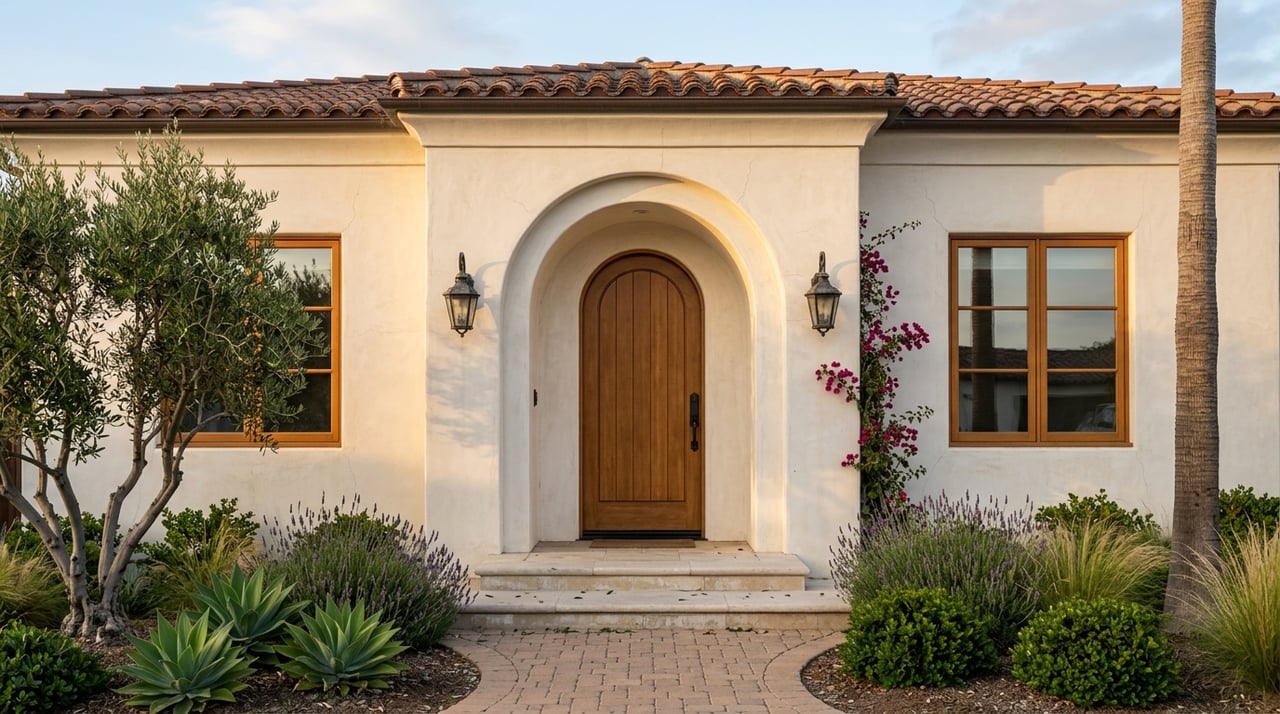
One of the first things you may notice about Whittier is how much the housing stock changes from one area to another. The city has visible architectural variety, especially in homes built before 1950.
According to the city’s historic preservation resources, common residential styles in Whittier include:
- Victorian
- Craftsman
- Mission Revival
- Spanish Colonial Revival
- Tudor Revival
- Colonial Revival
- Minimal Traditional
That range gives buyers real variety. If you like older homes with architectural detail, Whittier offers options that can feel very different from more uniform suburban tracts.
Historic districts add character
Whittier has four locally designated historic districts:
- Hadley-Greenleaf
- Central Park
- College Hills
- Earlham
Each of these areas adds another layer to the city’s identity. For example, College Hills was the city’s first planned hillside development, subdivided in 1923, while Earlham includes early Whittier College area homes and buildings dating from 1903 to 1940.
If you are drawn to mature neighborhoods and older homes, this matters. It means parts of Whittier have a preserved look and feel that many buyers actively seek out.
Older homes can come with added planning rules
Historic character can be a real advantage, but it also means buyers should pay attention to renovation rules. The city uses a Certificate of Appropriateness process for historic resources and vintage buildings constructed before 1941.
That does not mean older homes are off-limits for updates. It does mean that if you are planning changes, especially exterior work, you will want to understand the property’s status early in the process.
Postwar neighborhoods expand your options
Whittier is not only historic homes. After World War II, former orange groves were subdivided and large numbers of homes and apartments were built as the city grew rapidly.
That postwar layer gives buyers additional options in a different style and price point. Whether you want older architectural character, a more typical mid-century neighborhood pattern, or newer mixed-use living, Whittier has more range than many people expect.
Cost is an important part of the picture
As with much of Los Angeles County, housing costs are a meaningful consideration. Current Census estimates place the median owner-occupied home value in Whittier at $822,600, while median gross rent is $1,906.
Those numbers help frame the market, but they do not tell the whole story. Whittier’s broad housing mix means your options may vary depending on home age, location, size, and property type.
The city also has a 57.9% owner-occupied housing rate and an average household size of 3.01 people. That suggests a community with a strong residential base rather than a primarily transient one.
Uptown Whittier shapes daily life
If you ask many locals what gives Whittier its personality, Uptown is likely part of the answer. The city describes Uptown Whittier as its historic retail core, and it plays a major role in everyday living.
Uptown centers around Greenleaf Avenue and Philadelphia Street and is known for its tree-lined, pedestrian-friendly setting. The district includes main-floor retail, upper-floor office uses, specialty shops, indoor and outdoor dining, a restored multiscreen movie theater complex, and live music venues.
For you, that can translate into a more connected routine. Instead of driving everywhere for every errand or evening out, you have a local district that supports dining, entertainment, and a more walkable experience.
The Groves adds a newer mixed-use option
Whittier’s lifestyle is not limited to its historic core. The Groves adds a newer, mixed-use layer to the city.
The city describes The Groves as a 75-acre master-planned community with 750 residential units, 140,000 square feet of commercial space, repurposed historic buildings, and a community center in a former chapel. Retail and dining are part of the mix, and the public market Rodeo 72 is under construction.
This gives Whittier another kind of everyday convenience. If you like the idea of newer development with integrated residential and commercial uses, The Groves expands what living in Whittier can look like.
Parks and trails are a real lifestyle feature
For many buyers and downsizers, access to outdoor space matters just as much as the house itself. Whittier stands out here.
The city’s parks system includes 23 parks total, made up of four community parks, 15 neighborhood parks, two wilderness parks, a dog park, and the Whittier Greenway Trail. That is a meaningful amenity base for a city of this size.
The Greenway Trail supports recreation and movement
One of Whittier’s signature features is the Whittier Greenway Trail. City sources describe it as a bicycle and pedestrian corridor built on an abandoned railroad right-of-way, with public art and interpretive stations.
The trail runs from the western city boundary near the San Gabriel River Bike Trail to Mills Avenue and Lambert Road, with the intent to extend east toward Orange County’s bikeway network. In practical terms, people use it for recreation, exercise, and transportation.
If you value being able to walk, bike, or get outside without always heading far from home, this is a strong point in Whittier’s favor.
Open space is part of the routine
Whittier also includes two wilderness parks, and Hellman Park Trailhead is one of the destinations served by the city’s microtransit service. The city maintains about 43 miles of Class I, II, and III bikeways within city limits.
That makes outdoor access part of regular life, not just a weekend event. For many residents, that adds balance to a region where traffic and density can otherwise dominate the daily experience.
Getting around Whittier and beyond
Commuting in Whittier is still largely car-centered, which will not surprise anyone familiar with Southern California. At the same time, the city’s location is one of its practical advantages.
Whittier sits between major freeway corridors and is accessible through the 605 Freeway between the 60 and 5 freeways. That can make it a workable home base if your routine takes you toward different parts of Los Angeles County or into Orange County.
Census data show a mean travel time to work of 33.2 minutes. Of course, your actual commute will depend on where you work and when you travel, but this gives you a general benchmark.
Local transit options add flexibility
While driving remains central, Whittier does offer local support for transit users. The Transit Depot on Greenleaf Avenue provides bus-route information, Dial-A-Ride card sales, and Metro bus pass sales.
The city also operates the Whittier Cruiser, a microtransit service that connects Uptown, The Groves, The Quad, Whittier College, PIH Health, Rodeo 72, and Hellman Park Trailhead. It runs Wednesday through Sunday from 10 a.m. to 10 p.m., with fares ranging from $3 to $6 per ride.
That is not a replacement for a full regional rail system, but it can make local trips easier and support a more connected lifestyle within the city.
Who tends to enjoy living here
Whittier can appeal to several kinds of buyers because it offers more than one lifestyle pattern. Some people are drawn to the older neighborhoods and historic architecture. Others like the mix of walkable Uptown amenities, newer development at The Groves, and access to parks and trails.
It can also make sense if you want a residential setting with a strong local identity while still staying connected to larger job centers. For downsizers, first-time buyers, and move-up buyers alike, the city offers a combination of character and practicality that is not always easy to find.
What to keep in mind before you move
No city is one-size-fits-all, and Whittier has a few realities worth understanding before you buy.
First, housing style varies widely, so it helps to be clear about whether you want historic character, postwar construction, or newer mixed-use living. Second, older homes may come with preservation-related review if they fall under the city’s historic rules. Third, commuting convenience exists, but traffic remains part of life across the region.
The upside is that when you understand those factors early, you can focus your search on the parts of Whittier that best match how you actually want to live.
If you are considering a move to Whittier, working with a local team can make a big difference, especially when you want guidance on housing type, neighborhood feel, financing, and the steps from offer to closing. Wasilik Klimenko I Tres Inc. helps buyers and sellers navigate Whittier with local knowledge and coordinated support for real estate, loans, and escrow.
FAQs
What is daily life like in Whittier, CA?
- Daily life in Whittier often centers on a residential setting with historic neighborhoods, local shopping and dining in Uptown, newer mixed-use activity at The Groves, and regular access to parks, trails, and outdoor space.
What types of homes are common in Whittier, CA?
- Whittier includes a wide range of housing, including pre-1950 homes in styles like Craftsman, Spanish Colonial Revival, Tudor Revival, and Victorian, along with postwar neighborhoods, apartments, condos, and newer residential development.
Is Uptown Whittier walkable for everyday activities?
- Uptown Whittier is described by the city as a tree-lined, pedestrian-friendly district with shops, dining, entertainment, and office uses, making it one of the city’s most walkable daily-life areas.
Does Whittier, CA have parks and trails?
- Yes. Whittier has 23 parks, including community parks, neighborhood parks, wilderness parks, a dog park, and the Whittier Greenway Trail, plus about 43 miles of bikeways within city limits.
How is commuting from Whittier, CA?
- Commuting from Whittier is generally car-centered, with access to the 60, 5, and 605 freeway corridors, and Census data show a mean travel time to work of 33.2 minutes.
Are there special rules for older homes in Whittier, CA?
- Some older properties may be subject to the city’s historic preservation review process, including a Certificate of Appropriateness for historic resources and vintage buildings constructed before 1941.